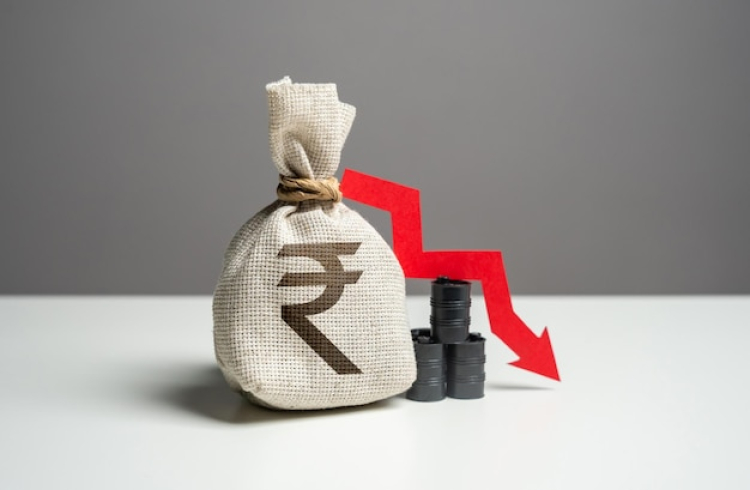
In 2026, the financial landscape continues to be a tug-of-war between resilient growth and the creeping pressure of rising household debt. With India’s household debt now crossing 41% of the annual GDP, many individuals find themselves at a crossroads. Inflation acts as a silent tax on your purchasing power, and when coupled with fluctuating interest rates, the dream of living debts free can feel increasingly out of reach.
However, understanding the mechanics of how inflation and interest work together is the first step toward regaining control. In today’s economy, being debts free isn’t just a financial goal—it’s a necessary strategy for long-term survival and wealth creation.
1. The Inflation Squeeze: Why Your Debt Feels Heavier
Inflation is more than just rising prices at the grocery store. It effectively reduces your “real” disposable income. If your salary increases by 5% but the cost of living rises by 7%, you are effectively earning less. This “wage-inflation gap” often forces people to rely on credit cards to bridge the monthly shortfall.
Getty Images
The danger here is the compounding effect. As you use credit to cover basics, your debt grows, leaving even less money for next month’s essentials. Breaking this cycle is the core of staying debts free. It requires a proactive reassessment of your “Crisis Budget”—stripping away non-essentials before the debt becomes a permanent fixture of your life.
2. Interest Rates: The Cost of Waiting
Central banks often use interest rates as a tool to tame inflation. When rates are high, borrowing becomes more expensive. For those with floating-rate personal loans or credit card debt, this means your EMIs or interest charges can spike without warning.
In an economy where personal bank debt has historically grown faster than industrial wages, the burden of high-interest rates can lead to a state of financial paralysis. If you find that your monthly payments are mostly going toward interest rather than the principal, a loan settlement might be the strategic exit you need. A settlement allows you to negotiate a lower lump-sum payment to close out the debt, preventing high interest rates from eating away at your future earnings for years to come.
3. Prioritize Variable-Rate Debt
Not all debt is created equal. In an inflationary environment, variable-rate debts (like credit cards and some personal loans) are the most dangerous because their costs can rise alongside inflation.
- The Strategy: Direct every extra rupee toward these variable-rate balances first.
- The Goal: To become debts free on high-interest accounts to free up cash flow for your savings.
If the sheer volume of these variable loans has become unmanageable due to rate hikes in 2025 and 2026, seeking a professional loan settlement can provide a definitive end date to your debt struggle, rather than letting the fluctuating rates dictate your financial future.
4. Building an Inflation-Proof Emergency Fund
The ultimate “anti-debt” tool is a liquid emergency fund. In today’s economy, experts recommend having 6 to 12 months of living expenses in a high-yield account. This buffer ensures that when a price shock happens—whether it’s a medical bill or a sudden hike in utility costs—you don’t have to turn to a lender.
Once you have cleared your path by becoming debts free, your priority should shift from “paying the past” to “funding the future.” This shift is only possible when you are no longer sending a large portion of your paycheck to a bank.
5. Negotiating in a Changing Market
Lenders in 2026 are increasingly using digital tools for risk-based pricing. If your debt-to-income ratio is high because of inflation-driven spending, your risk profile increases, leading to even higher interest offers.
If you’re already trapped in this cycle, remember that you have the right to negotiate. Banks would often rather recover a settled amount than face a total default. Engaging in a loan settlement is a legitimate way to resolve high-stress debt, allowing you to reset your financial “risk” and start rebuilding your credit from a clean slate.
6. Audit and Adapt
The economy of 2026 demands constant vigilance. Audit your subscriptions, negotiate your insurance premiums, and look for “leaks” in your budget. The fewer fixed monthly obligations you have, the more resilient you are to economic shifts. The most secure way to live is to remain debts free, giving you the flexibility to pivot when the economy changes.
Conclusion
Inflation and interest rates are external forces you cannot control, but how you manage your debt is entirely within your power. By aggressively cutting costs, prioritizing high-interest repayments, or choosing a loan settlement to clear impossible hurdles, you can survive and thrive in today’s economy.
Reclaim your income. Reclaim your peace of mind. Start your journey to being debts free today.