The dream of a debts free life often feels out of reach when the monthly EMIs start piling up. In 2026, the Indian financial landscape has changed significantly with new RBI guidelines and weekly credit reporting cycles. If you are considering a loan settlement this year, it is vital to understand that while it offers immediate relief, its impact on your credit score is faster and deeper than ever before.
Here is the 2026 perspective on how settlement affects your financial health.
1. The “Weekly Update” Reality
In the past, credit scores were updated once a month. As of January 2026, the RBI mandates that banks report data to credit bureaus like CIBIL up to five times a month.
- What has changed: This means that the “Settled” tag appears on your report within 7 to 10 days of your final payment.
- The Impact: There is no longer a “grace period” where you can settle one loan and quickly apply for another before the score drops. Your credit profile is now updated in near real-time.
2. Immediate Score Devaluation
When you opt for a loan settlement, you are essentially telling the banking system that you were unable to fulfill your original promise.
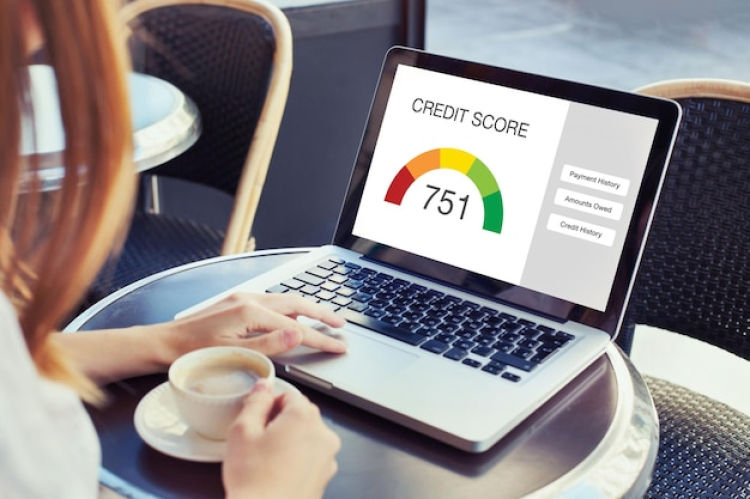
- The Numbers: Most borrowers in 2026 see an immediate drop of 75 to 150 points on their CIBIL score.
- The Reason: Credit algorithms treat a settlement similarly to a partial default. Because you paid less than what you owed (the “haircut”), you are categorized as a “High-Risk” borrower.
3. The “Settled” vs. “Closed” Distinction
For many, the terms sound the same, but for a lender, they are worlds apart.
| Feature | Loan Closure (Paid in Full) | Loan Settlement |
| Payment Status | 100% of dues paid. | 30%–60% of dues paid. |
| CIBIL Remark | Marked as “Closed”. | Marked as “Settled”. |
| Future Trust | Enhances your credibility. | Acts as a “Red Flag” for lenders. |
| Retention | Stays for 7 years as a positive. | Stays for 7 years as a negative. |
4. Impact on Future Borrowing Power
Becoming debts free via settlement is a victory in the short term, but it places you in a “credit timeout” for several years.
- Rejection by Tier-1 Banks: Most major banks in 2026 automatically reject applications if they see a “Settled” remark from the last 24–36 months.
- Higher Interest Rates: If you do manage to get a loan (usually from high-interest fintechs or private lenders), you will likely be charged 3% to 5% higher interest than someone with a “Closed” history.
- The 7-Year Rule: The “Settled” status remains visible on your credit report for seven years from the date of settlement.
5. Can You Repair the Damage?
The good news is that a settlement isn’t a life sentence. In 2026, the path to recovery is more transparent:
- Pay the Difference: If your financial situation improves, you can contact the bank to pay the remaining “waived” amount. Once paid, you can request them to update the status from “Settled” to “Closed.”
- Secured Credit: Many people use a Fixed Deposit-backed Credit Card to start rebuilding their score. By paying small balances on time, you can prove “rehabilitated” financial behavior.
- Dispute Errors: With the 2026 compensation framework, if a bank fails to update your status within 30 days of payment, you can claim ₹100 per day in compensation.
Expert Verdict: Should You Settle?
If you are facing a genuine crisis (job loss, medical emergency, or business failure), a loan settlement is a valid way to stop the spiral of interest and harassment. It allows you to become debts free and protects you from legal action. However, if you can afford to pay the full amount—even if it takes longer—choose “Closure” to protect your future borrowing power.