
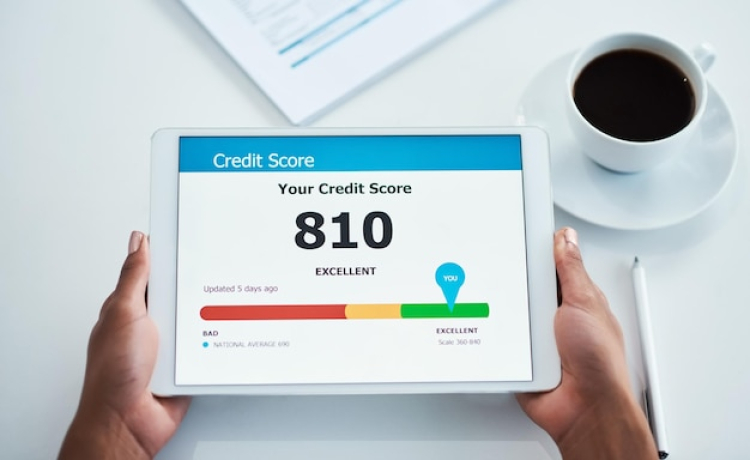

For many, the dream of becoming debts free feels like a double-edged sword. On one hand, you want the weight of loans off your shoulders; on the other, you fear that the process of clearing those debts—especially through settlements—might tank your credit score, making it impossible to buy a home or get a vehicle loan in the future.
The good news? It is entirely possible to achieve a debts free status while actually improving your creditworthiness. It requires a blend of strategy, discipline, and a deep understanding of how credit bureaus operate.
Here is your comprehensive guide to navigating the path to being debts free with your credit score intact.
The Golden Rule: Avoid “Settled” Status
When people look for a quick way to be debts free, they often opt for a “One-Time Settlement” (OTS). While this legally clears the debt, the bank reports it to credit bureaus as “Settled” rather than “Closed.” This status can haunt your credit report for seven years.
To remain truly credit-healthy while becoming debts free, you must aim for a “Full Payment” closure. This tells future lenders that you are a responsible borrower who honors their full commitment.
1. The Debt Avalanche Strategy
If you want to be debts free without damaging your score, the “Avalanche Method” is mathematically the most efficient.
- How it works: List all your debts and their interest rates.
- The Action: Continue making minimum payments on all accounts, but throw every extra rupee at the debt with the highest interest rate.
- Credit Impact: This reduces your overall credit utilization ratio—a massive factor in your credit score—helping your score climb as you become debts free.
2. Strategic Debt Consolidation
Sometimes, having five different EMIs at different times of the month leads to missed payments, which destroys your score. You can simplify your journey to becoming debts free by taking a single Debt Consolidation Loan.
By taking one personal loan at a lower interest rate to pay off high-interest credit cards, you:
- Lower your monthly interest outflow.
- Ensure only one “on-time” payment is tracked.
- Move toward being debts free with a structured timeline.
3. Protect Your Credit Age
As you work toward becoming debts free, you might be tempted to close every credit card account the moment the balance hits zero. Stop! Closing your oldest credit accounts can actually lower your score by shortening your credit history. To stay debts free while maintaining a high score, keep your oldest cards open, but hide them in a drawer so you aren’t tempted to spend.
4. Negotiate Interest Rates, Not Principals
If you are struggling to keep up with payments, contact your bank before you default. Negotiating for a lower interest rate or a longer tenure is a form of “Restructuring.” While it might have a minor, temporary impact, it is far better than a default or a settlement. It keeps you on the track to being debts free without the “defaulter” tag.
5. Prioritize Credit Utilization
Your credit score is heavily influenced by how much of your limit you use. To become debts free effectively, try to keep your utilization under 30%. If you pay down your balances systematically rather than all at once through a settlement, your credit score will reflect your growing financial stability. You can track your progress and get professional advice at debts free.
The Steps to a Clean Exit
Transitioning to a debts free life involves more than just the final payment. Follow these steps to ensure the credit bureaus know you’ve succeeded:
- Obtain a No Due Certificate (NDC): Once you clear a loan, always demand an NDC or No Objection Certificate (NOC).
- Verify with Bureaus: Check your CIBIL or Experian report 45–60 days after your final payment. Ensure the account is marked as “Closed.”
- Report Discrepancies: If an account you paid off still shows an active balance, use the debts free resources to learn how to dispute these errors.
Why Professional Guidance Matters
Navigating the fine line between aggressive repayment and credit maintenance is tricky. Many individuals find that working with a debt management agency helps them communicate with banks more effectively. Experts at debts free can help you draft a plan that satisfies your creditors while protecting that precious 3-digit credit score.
Conclusion
Becoming debts free is a marathon, not a sprint. While the “quick fix” of debt settlement is tempting, the long-term cost to your credit can be high. By using the Avalanche method, consolidating wisely, and ensuring every account is “Closed” rather than “Settled,” you can enjoy the best of both worlds: a life without debt and a credit score that opens doors.
Ready to start your journey? Visit debts free today for the tools and support you need to reclaim your financial freedom. Your debts free life is just a few strategic moves away!