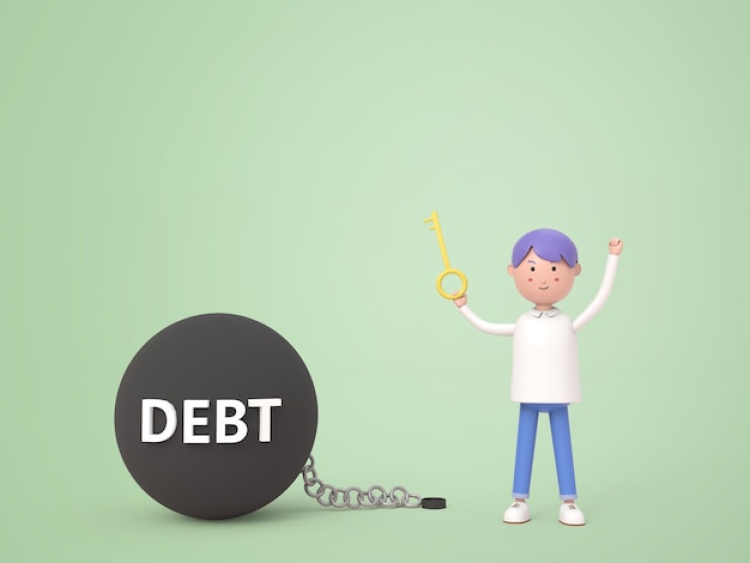
For many individuals in India, the weight of multiple EMIs and credit card bills can feel like an endless treadmill. You work hard, receive your salary, and immediately watch it disappear into interest payments. When financial hardships—such as job loss, medical emergencies, or business failure—strike, even making the minimum payment becomes impossible.
This is where debt settlement comes into play. It is often a misunderstood concept, but for those drowning in high-interest liabilities, it can be the ultimate bridge to becoming debts free.
What Exactly is Debt Settlement?
Debt settlement is a process where a lender (bank or NBFC) agrees to accept a lump-sum payment that is less than the total amount you owe to “close” the account. Essentially, the bank agrees to waive off a portion of the interest, penalties, and sometimes even a part of the principal amount to recover at least some of the funds.
While it is a relief to be debts free, it is important to understand that banks only consider settlement when an account has been in default for several months (usually 90 to 180 days) and is classified as a Non-Performing Asset (NPA).
The Process: How It Works
- Financial Hardship: You must demonstrate a genuine inability to pay. Banks do not settle with borrowers who have the capacity to pay but simply choose not to.
- The Default Period: Usually, after 3–6 months of missed payments, the bank’s recovery department or a third-party agency will contact you.
- Negotiation: This is the most critical phase. You or a professional debt relief service negotiate with the bank. You offer a lump sum (often 25% to 50% of the total outstanding) to settle the account.
- The Settlement Letter: Never pay a rupee until you have a formal “Settlement Letter” on the bank’s official letterhead. This letter should clearly state the agreed amount and that no further dues will be claimed.
- Payment and Closure: Once you pay the agreed amount, the bank will stop recovery actions. You are now technically debts free from that specific burden.
The Benefits of Debt Settlement
The most obvious benefit is the immediate cessation of harassment and stress. But there are deeper reasons why this path is chosen:
- Avoidance of Legal Action: Settlement prevents the bank from taking the matter to civil court or initiating lengthy legal proceedings.
- One-Time Solution: Instead of struggling for 10 years to pay off compounded interest, you can resolve the issue in one go.
- Mental Peace: The psychological relief of being debts free cannot be overstated. It allows you to focus on your career and family again.
The Catch: Impact on Your Credit Score
It is vital to be transparent: debt settlement is not a “magic wand” without consequences. When you settle, the bank reports the account to CIBIL and other bureaus as “Settled” rather than “Closed.”
A “Settled” status indicates that you did not pay back the full amount agreed upon. This can lower your credit score and make it difficult to get a new loan or credit card for the next few years. However, if your score is already damaged by months of missed payments, settlement is often the only way to “stop the bleeding” and begin the long-term journey to remain debts free.
How to Stay Debts Free After Settlement
Once you have reached a settlement, the goal is to ensure you never find yourself in that position again. This requires a complete lifestyle shift:
1. Build an Emergency Fund
The reason most settlements happen is a lack of savings. Aim to save at least ₹1 Lakh to ₹2 Lakhs in a liquid savings account. This “buffer” ensures that the next time a car breaks down or a medical bill arrives, you don’t need a loan to cover it.
2. Live Below Your Means
In the age of social media, the pressure to spend is high. To stay debts free, you must master the art of saying “no.” If you cannot afford to buy it twice with cash, you cannot afford it.
3. Rebuild Credit Slowly
Two years after your settlement, you can start rebuilding your score. Use a secured credit card (issued against a Fixed Deposit). Use it for small amounts like petrol or groceries and pay it off in full every month. This proves to lenders that you are now a responsible, debts free individual.
Is Debt Settlement Right for You?
If you are just a few weeks behind on payments, settlement should not be your first choice. Try restructuring your loan or asking for an EMI moratorium first.
However, if your debt has become an insurmountable mountain and your mental health is suffering, settlement is a valid financial tool. It provides a “reset” button. It allows you to take a breath, learn from your mistakes, and commit to a life where you are permanently debts free.
Conclusion
Debt settlement is a path of compromise, but it leads to a destination of freedom. By understanding the process and being prepared for the credit impact, you can navigate this difficult period and emerge stronger. The ultimate goal isn’t just to settle a debt—it’s to change your habits so that you can enjoy a debts free future.