
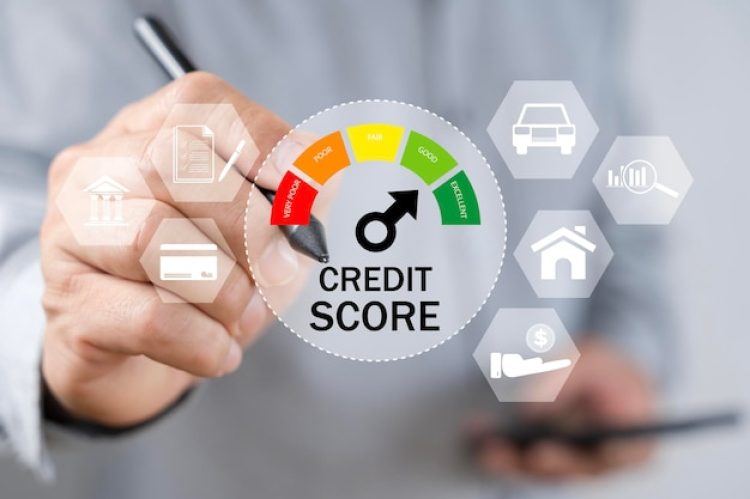
In the modern Indian economy, credit is everywhere. From “No-Cost EMIs” on the latest smartphones to pre-approved personal loans flashing on your mobile banking app, borrowing has never been easier. However, while credit is a useful tool, the weight of multiple monthly installments can quickly become a “debt trap.”
Achieving a debts free life is more than just a financial milestone; it is the ultimate foundation for mental peace and long-term wealth. Whether you are juggling credit card balances or a heavy personal loan, understanding why being debts free matters can help you reclaim control of your financial destiny.
1. The Direct Impact on Your CIBIL Score
In India, your creditworthiness is largely defined by your CIBIL score, which ranges from 300 to 900. A score of 750 or above is generally considered excellent. Living debt-free—or actively working toward it—directly boosts this number in several ways:
- Improved Credit Utilization Ratio (CUR): This is the ratio of your credit card spending to your total limit. Financial experts recommend keeping your CUR below 30%. For example, if your total credit limit is ₹1,00,000, you should aim to keep your balance under ₹30,000. When you become debts free, your utilization drops to zero, which significantly boosts your score.
- A “Closed” Status is Better than “Settled”: When you pay off a loan in full, the bank reports it as “Closed.” If you negotiate to pay a smaller amount because you can’t afford the full debt, it is marked as “Settled.” A “Settled” status can stay on your report for seven years and lower your score, while a “Closed” status proves you are a reliable borrower.
- Stronger Repayment History: Consistently paying off your debts ensures there are no “Days Past Due” (DPD) on your record. This clean history is the most critical factor in maintaining a high credit rating.
2. Eliminating the “Interest Drain”
One of the biggest reasons to strive to be debt-free is to stop the leakage of your hard-earned money. Credit card interest rates in India can range from 36% to 42% per annum.
Imagine you have a balance of ₹50,000 on a high-interest card. If you only pay the “Minimum Amount Due,” you could spend years paying back double or triple the original amount. By becoming debt-free, that ₹5,000 or ₹10,000 you were paying in EMIs stays in your pocket. In the Indian context, that’s money that could go into a Systematic Investment Plan (SIP) or a Public Provident Fund (PPF), where it grows for you instead of the bank.
3. Psychological Freedom and Reduced Stress
Financial stress is a silent epidemic. The anxiety of an upcoming EMI date or the fear of a recovery call can take a toll on your mental health and family relationships.
A debt-free life offers a “psychological raise.” When you don’t owe anyone a single rupee, your career choices become bolder. You might feel more comfortable switching to a startup, pursuing a passion project, or taking a well-deserved sabbatical. Debt often forces people to stay in jobs they dislike just to keep up with payments; being debt-free breaks those invisible chains.
4. Building a Resilient Future
The ultimate goal of personal finance is financial independence. Being debt-free is the prerequisite for this.
- Emergency Readiness: Life is unpredictable. Whether it’s a medical emergency or a sudden job loss, a debt-free person is much more resilient. Without the burden of fixed EMIs, your emergency fund (ideally 6–12 months of expenses) will last much longer.
- The Power of Compounding: When you are in debt, compounding works against you (the debt grows faster). When you are debt-free, you can invest. Investing just ₹5,000 a month in a diversified mutual fund over 20 years can create a corpus of lakhs, potentially crores, thanks to the power of compounding.
- Easier Goal Achievement: Whether it’s buying a home in a prime city like Mumbai or Bengaluru or funding your child’s higher education abroad, these goals become achievable when your income isn’t being siphoned off by old debts.
How to Start Your Journey to Being Debt-Free
If you’re currently carrying debt, don’t lose heart. Here is a simple 3-step plan to get started:
- Stop New Borrowing: Delete those shopping apps and stop using “Buy Now, Pay Later” schemes.
- Use the “Debt Avalanche”: List all your debts and focus on paying off the one with the highest interest rate (usually credit cards) first, while making minimum payments on others.
- Budget with the 50/30/20 Rule: Allocate 50% of your income to needs, 30% to wants, and use the remaining 20% exclusively for savings and debt repayment.
The Bottom Line
Being debt-free is the greatest gift you can give your future self. It improves your credit score, saves you from predatory interest rates, and provides the mental clarity needed to build real wealth. Remember, true luxury isn’t owning things you can’t afford; it’s the peace of mind that comes from owning everything you have.