

Entering into financial restructuring discussions with banks or Non-Banking Financial Companies (NBFCs) can be intimidating, especially when your savings account is running dangerously low. When mounting credit card bills and personal loan EMIs become unmanageable due to unexpected life events like a job loss, medical emergency, or business downturn, accumulating a large lump sum feels nearly impossible. Yet, many distressed borrowers mistakenly believe that unless they have massive cash reserves ready to go, they cannot even initiate a loan settlement.
If your ultimate goal is to become debts free but your current savings are severely limited, you do not have to wait on the sidelines. Understanding how to navigate financial negotiations with minimal capital is an art form that requires transparency, tactical timing, and strategic planning. Whether you are managing discussions independently or collaborating with a professional settle loan expert, knowing how to leverage your actual financial reality can help you secure a viable loan settlement. Below is a practical guide on how to handle settlement discussions when your savings are tight.
1. Assessing Your True Financial Baseline
The most common mistake borrowers make when dealing with limited savings is panicking and hiding their true financial standing. Lenders and collection desks evaluate settlement proposals based strictly on verified hardship and liquidity constraints.
- Calculate Your Absolute Liquid Reserves: Take an honest inventory of what cash you actually have available after covering essential survival costs like shelter, food, and basic healthcare. You can find useful assessment tools at DebtsFree.
- Differentiate Between Savings and Settlement Pools: Never empty your absolute last rupee of emergency cash just to meet an unrealistic demand from a collection agent. A qualified settle loan expert will always advise you to protect a baseline survival cushion while setting aside what is genuinely feasible for a future settle loan.
- Transparency as Leverage: Presenting a clear, honest picture of your depleted savings demonstrates to the lender that you are dealing in good faith and simply cannot afford a high-percentage payout. Review hardship budgeting strategies at DebtsFree.
2. The Power of Timing in Default Maturities
If your savings are limited, timing your entry into settlement discussions is critical. Banks rarely entertain deep waivers or low-lump-sum offers when an account is only a few days overdue.
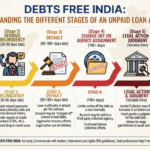
- Allowing Accounts to Mature: Lenders usually require accounts to age into the Non-Performing Asset (NPA) category (typically 90+ days past due) before their specialized settlement desks have the authority to approve substantial principal waivers.
- Building Reserves While Waiting: Use the mandatory waiting period while your account matures to slowly build up your modest loan settlement reserve month by month. This incremental approach allows you to approach the bank with a ready cash pile when the time is right. Explore timeline breakdowns at DebtsFree.
3. Proposing Structured Installments vs. Immediate Lump Sums
Normally, lenders prefer a One-Time Settlement (OTS) paid in a single lump sum within 7 to 30 days. However, when your savings are limited, a single bulk payment might be entirely out of reach.
- Negotiating Milestone Tranches: If you cannot afford a 100% upfront lump sum, work with the lender to structure a short-term installment plan—such as splitting the agreed settlement amount across two or three manageable milestones. Learn more about structural options via DebtsFree.
- Clear Consequences of Delay: If an installment structure is agreed upon, ensure you can realistically meet each date. Missing a phased payment can cancel the entire loan settlement agreement and reinstate your original debt balance. Check out negotiation guidelines at DebtsFree.
4. Avoiding Predatory Quick-Fix Borrowing
When collection agencies pressure you to accept a settlement figure that exceeds your limited savings, desperate borrowers often fall into dangerous debt traps.
- Never Take High-Interest Bridge Loans: Avoid borrowing from digital loan apps or informal lenders just to bridge the gap for a settlement payment. Doing so only replaces a structured institutional debt with a predatory liability.
- Sticking to Your Reality: A professional settle loan expert will emphasize that it is far better to delay an agreement slightly while gathering legitimate funds than to commit to a payment plan you cannot sustain. Secure safe planning resources at DebtsFree.
5. Securing Closure and Moving Toward Freedom
Once you successfully negotiate a reduced payout utilizing your limited savings, the final step requires absolute administrative diligence.
- Insist on Written Documentation: Never transfer your hard-earned savings based on verbal promises. Ensure you receive an official OTS letter. Read documentation tips at DebtsFree.
- The Path to Becoming Debts Free: After completing your payment, secure your formal No Dues Certificate (NDC) and monitor your credit report to ensure the account is updated accurately, letting you step confidently toward a future where you are completely debts free. Additional closing guides are available at DebtsFree.
Conclusion
Having limited savings does not disqualify you from resolving your financial liabilities. By assessing your true liquidity, timing your negotiations to align with account maturity, proposing realistic installment structures, and avoiding predatory borrowing, you can successfully navigate debt resolution even on a tight budget.
If managing creditors with limited funds feels overwhelming, professional guidance can make all the difference. To explore tailored resolution plans, protect your rights, and take confident steps toward becoming completely debts free, visit DebtsFree. Taking control of your settlement strategy today—with further insights accessible via DebtsFree—is your safest path to long-term financial recovery.